
Social media across South Korea has been buzzing in recent days as a series of rare photos of Song Hye Kyo from two decades ago suddenly resurfaced and spread at lightning speed. Within hours, images from her early-2000s heyday — the era of Autumn in My Heart and Full House — climbed to the top of trending lists, reigniting public admiration for what many still call “the original Hallyu goddess.”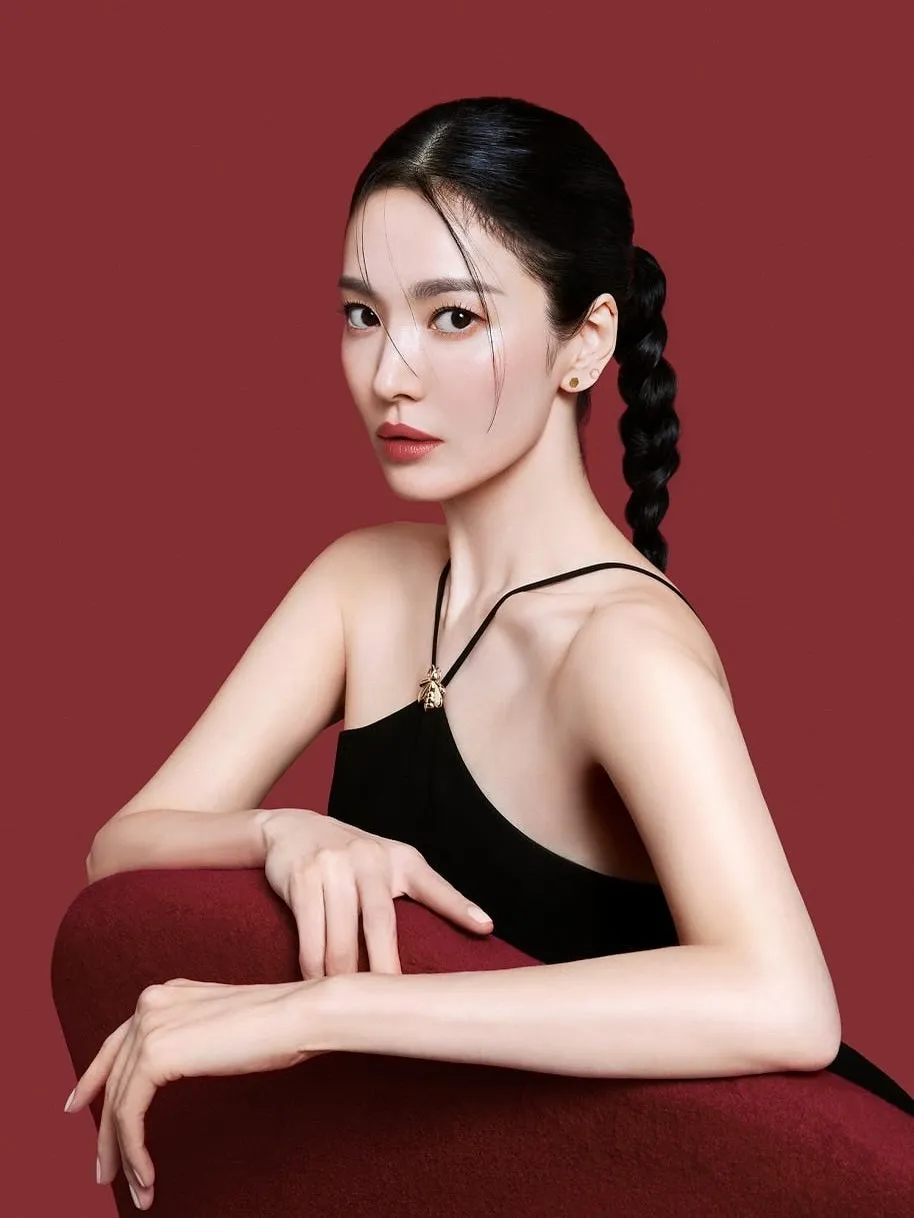
In these throwback shots, Song Hye Kyo appears effortlessly radiant. Her fair, luminous skin, soft youthful features, clear eyes, and gentle smile capture an innocence that once defined Korean television romance. With minimal makeup and simple long black hair, her beauty felt pure and cinematic — a look that didn’t rely on trends, but quietly set them. It’s a reminder of why she was widely regarded as the visual icon of the first Hallyu wave.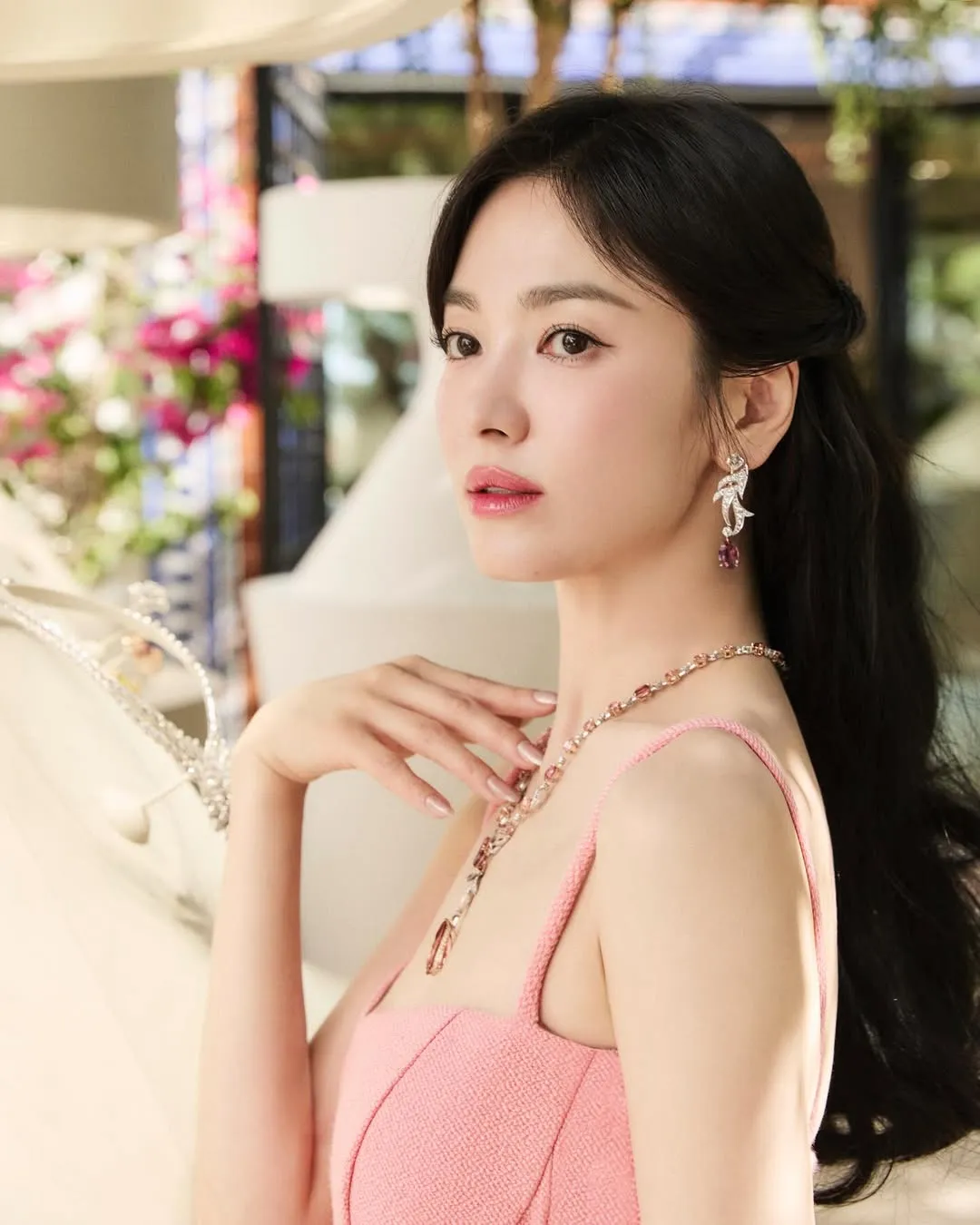
The reaction online has been swift and emotional. Comment sections filled with praise such as “She was already a legend 20 years ago,” and “This is the kind of beauty you never forget.” Many viewers noted that the images feel almost frozen in time, reflecting the golden age of Korean dramas when Song Hye Kyo stood at the very peak of popularity and influence.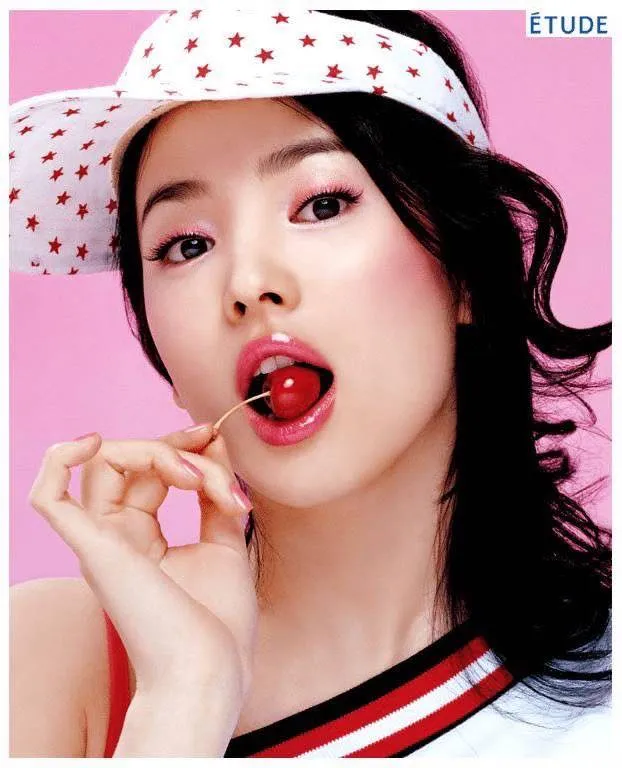
What makes the renewed attention even more compelling is the inevitable comparison with her present-day image. Now in her 40s, Song Hye Kyo has transitioned seamlessly from youthful purity to a refined, elegant charm. Her features are sharper, her presence calmer, yet the quiet magnetism remains unchanged. Rather than fading, her beauty has evolved — becoming more composed, confident, and distinctly her own.
Few actresses manage to maintain such relevance across generations. From her early roles that shaped an entire era of K-dramas to her continued acclaim for mature, complex performances, Song Hye Kyo represents a rare balance of talent, professionalism, and enduring appeal. Two decades on, the public’s fascination with her is no longer about appearance alone, but about a woman who has grown gracefully while staying true to herself.
As these old photos circulate once again, they don’t merely celebrate the past. They reaffirm Song Hye Kyo’s status as a lasting symbol of Korean cinema — a beauty that doesn’t belong to one moment in time, but to many.

